I want to talk about something that I think is being massively underestimated right now — and I say that as someone who has spent years watching the clean energy space get all the attention while an equally important story quietly built momentum in the background.
For the past decade, the conversation around sustainable investing has been almost entirely dominated by decarbonization. Solar panels. Wind turbines. EV batteries. And look, I love all of that. It’s important. We’ve featured clean energy deals here at Planet Positive Investing for good reason.
But here’s what I think investors are missing: the next $10 trillion opportunity isn’t just about producing cleaner energy. It’s about healing the planet itself.
Why the Timing Is Right Now
Here’s the honest truth: this isn’t a new idea. Scientists and economists have been talking about the value of natural capital for decades. What’s new is that the financial world is finally starting to price it properly.
The World Economic Forum estimated that over $44 trillion of economic value — more than half the world’s entire GDP — is moderately or highly dependent on nature and its services. Think about that for a second. Pollination, clean water, soil fertility, ocean fish stocks — these aren’t environmental niceties. They are the actual foundation of the global economy. And right now, most of that foundation is being degraded faster than it’s being restored.
When something that important is undervalued, that’s not just a crisis. It’s an investment opportunity.
This Is Different From “Green Washing”
I want to be direct here, because I’ve seen this conversation get hijacked by marketing fluff before. When I talk about the nature-positive economy, I’m not talking about companies slapping a leaf on their logo and calling it a day. I’m talking about hard engineering, measurable outcomes, and real economic value being created.
Precision agriculture is a perfect example. These companies aren’t just “farming more sustainably.” They are deploying drone fleets, satellite imaging, AI-driven soil sensors, and automated irrigation systems that reduce fertilizer use by 30–50% while simultaneously increasing crop yields. That’s not feel-good storytelling. That’s a defensible business model with a clear cost advantage over conventional agriculture.
“The greatest investment opportunity of the next decade won’t be found in decarbonizing the economy alone — it will be found in the technologies that restore and regenerate the natural systems our entire economy depends on.” — Mark Perlmutter, Planet Positive Investing
Alternative proteins are another sector I watch closely. When a company like Blackbird Foods — one we’ve featured right here in this magazine — gets acquired, it’s a signal. The planet’s food system currently uses 77% of all agricultural land to produce just 18% of the world’s calories. That is a resource allocation problem that the market will eventually force a solution to. Alternative protein companies are that solution.
What This Means for Everyday Investors
For a long time, impact investing was a niche. You had to be wealthy, connected, or willing to accept lower returns in exchange for doing good. That era is over.
Equity crowdfunding has changed the equation entirely. Today, you can back the companies building this nature-positive economy with as little as $100. That’s not symbolic — it’s real ownership in real companies solving real problems at the exact moment institutional capital is beginning to flow their direction.
The pattern I keep seeing is this: institutional validation follows crowdfunding traction. Companies that prove their concept with community backing are exactly the ones that later attract larger capital commitments. Getting in early — at the equity crowdfunding stage — is the retail investor’s structural advantage.
What I’m Watching
At Planet Positive Investing, we’re actively looking at companies across precision agriculture, alternative proteins, water technology, and biodiversity finance. We vet each opportunity carefully — looking for real traction, credible management teams, and a clear business model that doesn’t depend on good intentions alone.
I’m not going to make you specific return promises. Investing always carries risk, early-stage startups especially so, and anyone who tells you otherwise isn’t being straight with you. What I can tell you is that the macro tailwinds behind the nature-positive economy are as strong as any I’ve seen in my career.
Governments are mandating nature disclosures. Institutional investors are integrating biodiversity risk into portfolio decisions. Consumer preference is shifting hard toward brands that actually do less damage. These forces don’t reverse — they compound.
I’ll be bringing you the specific deals as they open. Make sure you’re signed up so you don’t miss them.
— Mark
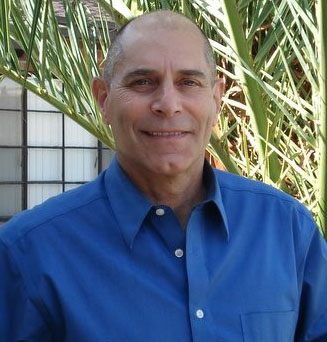
Mark Perlmutter
Founder, Planet Positive Investing
Stockbroker pioneer turned vegan impact advocate, democratizing early-stage climate and food technology deals for everyday people.
Don’t Miss the Next Nature-Positive Deal
Planet Positive Investing is a free club that sends alerts when planet-positive startups open equity crowdfunding rounds. Join 30,000+ members putting their money where their values are — for as little as $100.
Join Free — Get Deal Alerts